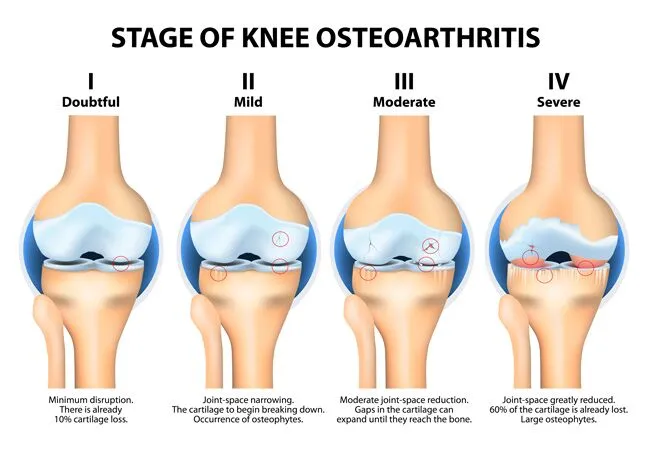
Physiotherapy After Knee Replacement
Physiotherapy is a critical part of recovery after knee replacement surgery (also called total knee arthroplasty). The goal is to restore mobility, strength, and function while reducing pain and preventing complications. Here’s an overview of what physiotherapy typically involves after knee replacement:
Phases of Physiotherapy After Knee Replacement
1. Immediately Post-Op (Day 1–7) – Hospital Stay
Goals:
- Prevent blood clots (DVT)
- Reduce swelling and pain
- Begin movement
Exercises:
- Ankle pumps
- Quad sets (tightening thigh muscles)
- Heel slides (bending knee while lying down)
- Assisted walking with a walker or crutches
2. Early Recovery (Week 2–6)
Goals:
- Improve knee range of motion (ROM)
- Start weight-bearing and walking normally
- Reduce stiffness
Exercises:
- Stationary biking (if ROM allows)
- Straight leg raises
- Knee bends and extensions
- Gait training
- Scar massage & desensitization
3. Mid-Term Recovery (Week 6–12)
Goals:
- Increase strength and balance
- Improve walking pattern
- Return to daily activities
Exercises:
- Step-ups
- Resistance band exercises
- Squats (as tolerated)
- Balance exercises
4. Long-Term Rehab (3+ Months)
Goals:
- Regain full function
- Return to hobbies/sports (e.g., golf, swimming)
Exercises:
- Functional training (stairs, uneven surfaces)
- Advanced strength work (e.g., leg press)
- Endurance activities (e.g., treadmill, elliptical)
💡 Key Tips
- Consistency matters: Daily home exercises are essential.
- Pain vs. discomfort: Expect discomfort, but report sharp or increasing pain.
- Follow your physiotherapist’s advice: Rehab should be individualized.
- Swelling control: Ice, elevation, and compression are key in early stages.
- ROM Goals: Aim for 90° flexion by 2 weeks, 110°+ by 6 weeks, and full extension.
Leave a Reply